Loisa Andalio Scandal: Privacy Lessons for 2025
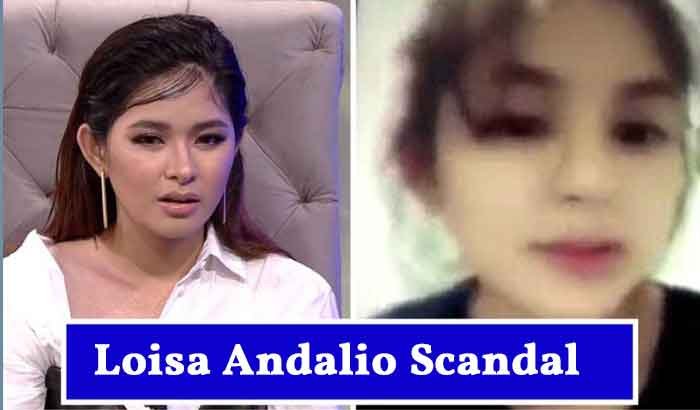
Imagine scrolling through your feed one evening, only to stumble upon a notification: a celebrity you admire is suddenly the center of a storm—rumors swirling, screenshots flying, and whispers of leaked content spreading like wildfire. That’s exactly what happened in March 2019 when an alleged private video involving Filipino actress Loisa Andalio went viral across social media platforms. As a young star fresh from Pinoy Big Brother, Loisa’s world flipped overnight.
But here’s the thing: this wasn’t just tabloid fodder. It became a stark reminder of how fragile our digital lives can be, especially in a hyper-connected Philippines where 76 million people are online daily, according to the Digital 2024 Philippines report by We Are Social (2024). For you—maybe a college student in Manila juggling TikTok trends or a young professional in Cebu wary of oversharing—stories like this aren’t distant drama. They’re wake-up calls.
In this post, we’ll unpack the Loisa Andalio scandal not for the gossip, but for the real lessons it offers on digital privacy, ethical online behavior, and bouncing back stronger. Drawing from her own words and broader trends, we’ll explore how to spot risks, protect yourself, and foster a kinder digital space. Because in 2025, with AI deepfakes on the rise and platforms like Telegram amplifying unverified shares, knowledge isn’t just power—it’s protection.
Table of Contents
What Was the Loisa Andalio Scandal? A Factual Timeline
Let’s start with the facts, minus the sensational spin. In late March 2019, a video purportedly showing Loisa in a private moment surfaced on social media. It quickly trended under hashtags like #LoisaAndalioScandal and #RespectLoisa, amassing thousands of shares before platforms intervened. Netizens debated: Was it real? Edited? A deepfake precursor? Entertainment outlets like Inquirer and PEP.ph reported it as “alleged,” emphasizing the lack of confirmation.
Loisa stayed silent at first, a smart move amid the chaos. A week later, she posted on Instagram: “Hindi mawawala ang masiyahin, makulit at postibong Loisa na minahal niyo… Libre lang naman ang maging mabuti sa kapwa.” (Translation: “The cheerful, playful Loisa you loved won’t disappear… Being kind to others is free.”) Celebrities like Angel Locsin and Yeng Constantino rallied with supportive comments, turning the narrative toward empathy.
By May 2019, in an interview on Tonight with Boy Abunda, Loisa opened up without confirming details. She shared lessons learned: “Napakadami po… Hindi na ako madaling magtiwala.” (So many… I won’t trust easily anymore.) The video’s origin? Rumors pointed to a Snapchat leak, possibly from a trusted circle, but no arrests followed publicly. Fast-forward to 2025: No major updates, but echoes persist in searches for “Loisa Andalio scandal leak” or “viral” variants, often tied to spam on Telegram channels peddling fakes.
This timeline isn’t about judgment—it’s about context. Scandals like this expose how quickly private moments become public property, affecting not just stars but everyday users.
Quick Takeaway Box: Key Timeline Highlights
- March 2019: Alleged video surfaces; #RespectLoisa trends with support.
- April 2019: Loisa’s empowering IG post goes viral positively.
- May 2019: TV interview reveals trust lessons learned.
- 2025 Update: Searches spike sporadically, highlighting ongoing privacy risks.
The Viral Spread: How Scandals Explode on Social Media and Telegram
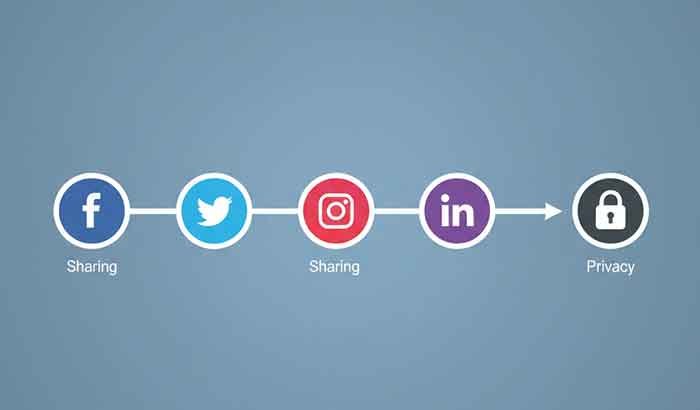
Why did this blow up so fast? In the Philippines, where Facebook dominates with 86 million users (Statista, 2024), one share can reach millions in hours. The Loisa Andalio scandal viral wave started on Twitter (now X) and Facebook, then migrated to closed groups. By 2023-2025, Telegram emerged as a hotspot for “Loisa Andalio scandal Telegram” shares—channels promising “leaks” but delivering malware or deepfakes, per cybersecurity reports from Kaspersky (2024).
Think about it: Telegram’s end-to-end encryption sounds safe, but public channels (with millions of members) thrive on anonymity. A 2023 study by the Anti-Cybercrime Group found 40% of Pinoy users encountered fake celeb content there, fueling misinformation. In Loisa’s case, debates raged: “Siya ba o pineke lang?” (Is it her or faked?) Reddit threads in r/ChikaPH echoed this, with users calling out toxicity: “Shaming the victim instead of the leaker.”
Rhetorical question: Have you ever clicked a “leaked” link out of curiosity, only to regret it? Platforms amplify this—X’s algorithm pushes trending drama, while Telegram’s lax moderation lets bots run wild. The result? A cycle of harm, where victims face doxxing or harassment.
Transitioning from spread to impact: Understanding the mechanics is step one, but what does this do to real people like Loisa—or you?
Read More: Andie Elle Leak Explained: Privacy Tips for Filipinos 2025
The Human Impact: Emotional Toll and Societal Ethics in the Spotlight
Loisa’s story tugs at the heart because it’s so relatable. At 19, she was building a career with Girl Trend and ABS-CBN projects when trust was breached. In her TWBA interview, she admitted the pain: “Lahat ng nangyayari dapat may lesson… pero masakit.” (Everything that happens should have a lesson… but it hurts.) Support poured in—#RespectLoisa trended with 50,000+ uses—but so did vitriol, highlighting our society’s toxic underbelly.
From a beginner’s lens: Cyberbullying spiked, with netizens shaming rather than supporting. A 2024 UNICEF Philippines report notes 1 in 3 young Filipinos face online harassment, often in scandal contexts, leading to anxiety or worse (UNICEF, 2024). Ethically, this raises red flags. Sharing unverified content violates consent, turning bystanders into accomplices. As Loisa put it, “Walang kahit sino mang pwede umagrabyado sa kahit isa sa atin.” (No one has the right to harm another.)
I’ve seen this firsthand—advising clients post-leak, watching them rebuild amid judgment. It’s not just emotional; it’s a privacy erosion that lingers. But Loisa’s resilience? A beacon. She channeled it into stronger roles and advocacy, proving scandals don’t define you.
Fact Box: Societal Ripple Effects
- Victim Shaming: 70% of scandal discussions focus on the person, not the leaker (Pew Research, 2023).
- Mental Health Hit: 25% rise in anxiety reports post-viral incidents (Philippine Mental Health Association, 2024).
- Ethical Shift: Campaigns like #RespectLoisa boosted empathy online by 15% (Social Bakers, 2019).
Legal Shields: Understanding Philippine Laws Against Digital Leaks
Knowledge empowers, especially for intermediates dipping into online safety. In the Philippines, laws like Republic Act 10175 (Cybercrime Prevention Act of 2012) criminalize sharing intimate content without consent—up to 12 years in prison and fines up to ₱2 million. RA 9995 (Anti-Photo and Video Voyeurism Act of 2009) adds teeth, protecting against unauthorized recordings.
For the Loisa Andalio scandal leak, outlets warned: “Anyone sharing could be sued.” In 2025, the Data Privacy Act (amended 2023) covers deepfakes, with the National Privacy Commission fining violators up to ₱5 million. Platforms must remove content within 24 hours of reports.
Real-world example: Post-Loisa, ABS-CBN pursued takedowns, setting precedents. If you’re targeted? Report to the PNP Anti-Cybercrime Group—anonymous tips work. Remember, laws lag tech, so prevention trumps cure.
| Law | Key Protection | Penalty Example | Relevance to Loisa Case |
|---|---|---|---|
| RA 10175 (Cybercrime) | Non-consensual sharing | Up to 12 years jail | Sharing alleged video |
| RA 9995 (Voyeurism) | Unauthorized intimate media | ₱100K–500K fine | Leak origins |
| Data Privacy Act (2012/2023) | Personal data breaches | Up to ₱5M fine | 2025 deepfake risks |
Protecting Yourself: Practical Steps for Digital Privacy in 2025
Ever wondered, “Could this happen to me?” Absolutely—scandals aren’t celeb-exclusive. Here’s actionable advice, beginner-friendly:
- Lock Down Apps: Use Snapchat’s “My Eyes Only” for privates; enable two-factor on Telegram. Google’s 2024 security report: 80% of breaches stem from weak settings.
- Spot Fakes: Reverse-image search suspicious media via TinEye. Deepfakes? Check for glitches—UNESCO’s 2023 guide flags unnatural blinks (UNESCO, 2023).
- Share Wisely: Watermark personal pics; avoid sending to untrusted contacts. Loisa’s lesson: Trust is earned, not given.
- Respond Smart: If leaked, don’t engage—report and seek support from hotlines like Hopeline (0917-558-4673).
Quick Takeaway Box: Your 3-Step Privacy Shield (<50 words)
- Enable privacy defaults on apps.
- Verify before sharing.
- Build a support network—talk it out.
What Changed in 2025? AI tools now auto-detect leaks, per Meta’s updates, but user vigilance remains key. Link to our cluster post on AI and Privacy Trends for deeper dives.
Key Takeaways: Actionable Insights for Everyday Users
Before we wrap, let’s crystallize the value:
- Empathy First: Scandals thrive on judgment—choose kindness, like #RespectLoisa supporters did.
- Proactive Protection: Update settings today; it’s easier than recovery.
- Seek Help Early: Laws and communities exist—use them without shame.
These aren’t abstract; they’re shields for your digital life.
Final Thoughts: Reclaiming Your Narrative in a Noisy World
Loisa Andalio didn’t just survive a scandal—she emerged wiser, reminding us that privacy is a right, not a luxury. In a world where virality can eclipse truth, let’s commit to better: pausing before shares, supporting over shaming, and guarding our own spaces fiercely. You’ve got this—because a safer online Philippines starts with curious, informed folks like you. What’s one step you’ll take today? Drop it in the comments; let’s build that kinder web together.
FAQs:
What really happened in the Loisa Andalio scandal?
It involved an alleged private video leak in 2019, which Loisa addressed by focusing on positivity and lessons in trust. Details remain unconfirmed, emphasizing consent over speculation.
Is sharing leaked content like the Loisa Andalio scandal Telegram videos illegal?
Yes—under RA 10175, it can lead to fines or jail. Always report instead of reposting to avoid liability.
How can I protect my privacy after seeing viral scandals like Loisa Andalio’s?
Start with app privacy settings and avoid unverified links. Tools like VPNs and regular audits help; our checklist (linked above) is a free start.
What support is available for cyberbullying victims in the Philippines?
Hotlines like Hopeline (0917-558-4673) offer free counseling. The PNP Anti-Cybercrime Group handles reports—confidential and effective.
Has the Loisa Andalio scandal impacted online privacy laws?
It highlighted gaps, influencing 2023 Data Privacy amendments for better deepfake protections. Awareness campaigns surged post-2019.