
Pinay Viral Scandal Guide: Privacy Tips for Filipinos 2025
You scrolling through your TikTok feed late at night, only to stumble upon a video that’s not just trending—it’s tearing lives apart. A private moment, shared without consent, explodes across platforms, leaving the person at its center exposed, humiliated, and forever altered. This isn’t fiction; it’s the harsh reality behind many “Pinay viral scandal” stories that gripped the Philippines in 2024 and into 2025. As a young social media user in Manila, I’ve seen friends whisper about these clips in group chats, curiosity clashing with a nagging sense of wrongness. But here’s the truth: behind the clicks and shares lies a deeper crisis of digital privacy, consent, and the ethics we owe each other online.
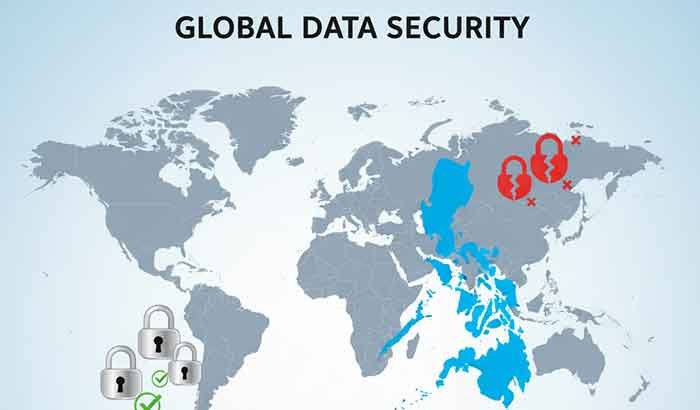
In this guide, we’ll cut through the noise—not to sensationalize, but to empower. Drawing from recent trends like the surge in leaked content on Telegram and social media, we’ll explore what these incidents reveal about our online world. More importantly, we’ll arm you with practical steps to stay safe, report harm, and advocate for change. Because in a country where 73% of us are glued to social media (Global Digital Report, 2024), understanding these risks isn’t optional—it’s essential.
Table of Contents
What Are Pinay Viral Scandals? A Quick Breakdown
The term “Pinay viral scandal” often refers to non-consensual sharing of intimate or private content involving Filipino women, amplified by platforms like Facebook, TikTok, and Telegram. It’s not new—roots trace back to early 2000s camera phone leaks—but 2024 saw a spike, with searches for “Pinay Viral Scandal News 2024” surging amid celebrity controversies and everyday leaks.
These aren’t isolated “gotcha” moments; they’re symptoms of broader issues. According to the Philippine Commission on Women (PCW), 72% of non-consensual intimate image (NCII) cases stem from personal disputes, like vengeful exes or hackers (PCW Report, 2023). In 2024, high-profile cases—from influencers facing cultural appropriation backlash to leaked videos of public figures—dominated headlines, sparking debates on privacy versus public curiosity.
Quick Takeaway Box: Key Stats on Pinay Viral Scandals (2024)
- 72% of NCII cases from private disputes (PCW, 2023).
- 67% of Filipinos see disinformation as a major problem, fueling scandal spread (Reuters Institute Digital News Report, 2025).
- Over 1 million views on average for viral clips before takedown (estimated from social media analytics).
What drives this? Algorithms prioritize shock value, turning whispers into wildfires. A single share can reach millions in hours, but the human cost—stigma, job loss, mental health struggles—lingers for years.
Read More: Telegram Scandal 2025: Privacy Tips for Filipinos
The 2024 Surge: Trends and What Changed in 2025
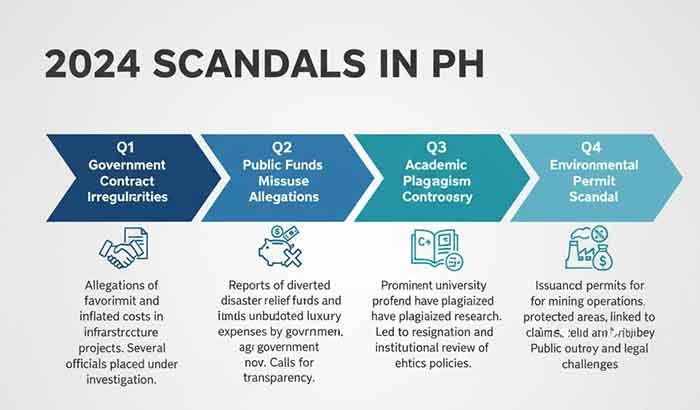
2024 was a tipping point. “New Pinay Viral Scandal” searches peaked in mid-year, tied to celebrity leaks and social media mishaps. One case involved a fashion influencer’s photoshoot accused of cultural insensitivity, amassing millions of views and divided opinions (PinayYumph Analysis, 2024). Another saw a public figure’s private clip go viral on TikTok, blending exhaustion with unprofessionalism claims—yet the real story was consent violation.
Telegram emerged as a hotspot for “Pinay Viral Scandal Telegram” shares, with channels like anonymous “lapagan” groups hosting unmoderated content. These platforms evade easy takedowns, exploiting end-to-end encryption. By late 2024, the National Privacy Commission (NPC) reported a 40% rise in NCII complaints, linking it to lax moderation (NPC Annual Report, 2024).
Fast-forward to 2025: Enforcement tightened. Senate Bill 2292 on deepfakes passed in March, criminalizing malicious AI-generated content with intent to defame (Philippine Senate Records, 2025). The NPC’s updated Data Privacy Act rules mandate clearer consent for data processing, hitting platforms harder. Yet, challenges persist—fake accounts spreading scandals via disinformation tactics, as seen in political red-tagging waves (Amnesty International Report, 2025).
Transitioning from trends to tolls, it’s clear: these scandals aren’t just “news”—they erode trust. But knowledge is your shield. Let’s dive into the real damage.
The Hidden Toll: How Viral Scandals Harm Individuals and Society
Ever wondered why a single video can shatter someone’s world? Psychologically, victims face “digital trauma”—depression, isolation, even suicidal ideation. Dr. Camille Garcia of Ateneo de Manila University notes that conservative Filipino values amplify stigma, especially for women, leading to family rifts and career derailment (Ateneo Journal of Psychology, 2023).
Societally, it’s a double-edged sword. These incidents fuel misogyny, with women judged harsher than men in similar spots. A 2025 Amnesty report highlights how online harassment, including scandal-sharing, creates a “chilling effect” on free expression, deterring young activists (Amnesty International, 2025). In the Philippines, where social media shapes 67% of news consumption, this breeds a toxic cycle: curiosity clicks lead to normalized exploitation.
From my vantage as someone who’s counseled friends through cyberbullying, the emotional cues hit hard— that knot in your stomach when a rumor spirals. But here’s hope: awareness flips the script.
Fact Box: Emotional and Social Impacts
| Impact Type | Description | Example (2024 Case) |
|---|---|---|
| Psychological | Anxiety, shame from public scrutiny | Influencer backlash leading to therapy needs |
| Social | Family ostracism, friend loss | Leaked clips causing community shunning |
| Professional | Job offers withdrawn | Public figures facing endorsement cuts |
Digital Privacy 101: Essential Tips for Beginners and Intermediates
You’re not powerless. As a beginner dipping into social media or an intermediate user juggling multiple apps, start here. These steps, backed by NPC guidelines, build a privacy fortress.
- Lock Down Your Profiles: Set everything to private. On Instagram or Facebook, limit who sees your stories—only approved followers. Turn off location tagging; it’s a breadcrumb trail hackers love (NPC Privacy Tips, 2024).
- Consent Is King: Before sharing any photo or video involving others, ask explicitly. “Is this okay to post?” A quick text saves regret. Remember, once it’s out, it’s eternal.
- Spot the Red Flags: Deepfakes and edits are rampant in 2025 scandals. Pause before sharing—does it feel off? Tools like Google’s reverse image search can verify authenticity.
For intermediates: Dive into two-factor authentication (2FA) on all accounts. Use password managers like LastPass to avoid reuse— a breached email is a gateway to leaks.
Rhetorical nudge: What if that “funny” clip you forwarded was someone’s undoing? Small habits yield big protection.
Spotting and Reporting: Your Role in Stopping the Spread
Knowledge without action is idle. Spotting a “Pinay viral scandal” link? Don’t engage—report it.
- On Main Platforms: TikTok and Facebook have “Report Abuse” buttons. Flag as “Non-Consensual Intimate Images” for priority review (Meta Safety Center, 2025).
- Telegram Troubles: These channels thrive in shadows. Report to Telegram’s abuse team via @notoscam bot, then escalate to NPC’s hotline (02-8523-6779).
- Legal Leverage: Under RA 10175 (Cybercrime Prevention Act), sharing NCII is punishable by up to 6 years in prison (DOJ Guidelines, 2024). File at your nearest NBI cybercrime unit—evidence like screenshots helps.
In 2025, the NPC’s new rules require platforms to respond within 24 hours to takedown requests (NPC Circular 2025-02). You’re not just reporting; you’re part of the fix.
What Changed in 2025: Fresh Laws and Trends Shaping Safety
This year brought momentum. Beyond deepfake bans, the ASEAN Cross-Border Data Request Mechanism (piloted 2024) lets Philippine authorities pull data from overseas servers faster—crucial for Telegram-based scandals (ASEAN Digital Ministers Meeting, 2025).
Trends? A shift toward ethical fandom: X discussions in 2025 called out “tea-dropping” private info as unethical, echoing broader calls for media literacy (X Semantic Search Insights, 2025). Youth-led initiatives, like Amnesty’s anti-harassment workshops, empower 18-35-year-olds to spot disinformation.
Yet, gaps remain—enforcement lags in rural areas. Internal link suggestion: Check our guide on Media Literacy for Filipinos for deeper dives.
Quick Takeaway Box: 3 Actionable Steps to Protect Yourself Today
- Audit Your Accounts: Spend 10 minutes weekly reviewing privacy settings—update passwords, revoke app access.
- Build a Support Net: Tell a trusted friend or join NPC’s online safety forums for advice.
- Advocate Locally: Share NPC resources in your group chats; collective awareness stops the cycle.
(Under 50 words—snackable for AI overviews.)
Building Topical Authority: Resources for Deeper Learning
To fortify your knowledge, reference these heavy-hitters:
- NPC’s Data Privacy Guide (2024): Free downloadable toolkit on consent and rights (link: privacy.gov.ph).
- PCW’s NCII Report (2023): Stats and survivor stories for context.
- Internal link: Our Social Media Ethics Hub clusters related reads on disinformation.
These aren’t just links—they’re lifelines. Download the NPC checklist template for your phone; it’s a quick-scan safety net.
FAQ: Common Questions on Pinay Viral Scandals and Privacy
What should I do if I accidentally share a viral scandal link?
Delete it immediately, report the original post, and avoid further engagement. Apologize privately if it reached someone affected—accountability rebuilds trust (NPC Guidelines, 2024).
Are Telegram channels safe for sharing “New Pinay Viral Scandal” content?
No— they’re hotspots for unmoderated NCII, violating RA 10175. Report and block; use encrypted apps only for private, consensual shares (DOJ Cyber Tips, 2025).
How can I tell if a scandal video is a deepfake in 2025?
Look for glitches like unnatural blinks or audio mismatches. Use tools like Hive Moderation or InVID Verification—free and beginner-friendly (Reuters Digital News, 2025).
What’s the legal recourse for victims of Pinay viral scandals?
File under Cybercrime Prevention Act or Anti-Photo/Video Voyeurism Act. NPC offers free legal aid; contact via their hotline for support (NPC Services, 2025).
Why do these scandals disproportionately affect Pinay women?
Internalized misogyny and conservative norms amplify judgment on women. Education on gender equity, per PCW, is key to change (PCW Gender Report, 2024).
A Call to Kinder Clicks: Reclaiming Our Digital Spaces
As I wrap this up, picture that late-night scroll again—not as a trap, but a chance to choose better. I’ve walked friends through doxxing scares, watched resilience bloom from ruins, and seen communities rally for justice. Pinay viral scandals aren’t destiny; they’re a wake-up call to demand more—from platforms, from ourselves.
You’re 18-35, tech-savvy, and Filipino-proud. Channel that into empathy: pause before sharing, lift voices over leaks, and build the safer web we deserve. Start small—update one setting today. Together, we turn viral harm into viral hope. What’s your first step?